International development
Global development
Different levels of development on an international scale

International development and globalization
International development and globalization are very important as they are key themes in today’s world. Interactions between societies, nations and communities whether economic, social or political, shape the everyday lives of everyone on a global scale.

International development degree
An International development degree is about all issues related to external aid processes, new health and education policies, improvement of governance, supporting gender equality, offering economic assistance, upholding human rights and more.

International development and business
With sluggish domestic demand, it is important for companies to open up to look for new markets. In this conquest of international markets you will not be alone, there are many devices set up in different countries to support you in your “internationalization”.
Why go global?
Many studies show that today more than ever, it is necessary to leave your comfort zone for a better growth. In this situation, and at all times, your business needs to be competitive to survive, gain market share, find technological, commercial and institutional partners.
How to go global
To seek success beyond your country’s borders does not mean to flee! Indeed, many means are available to businesses to conquer the world safely! And yes, there are usually many governmental aids to properly consider going global for businesses of all sizes.
Internet helps your business go global by means of digital marketing
Digital marketing covers all marketing activities deployed online to connect with customers or prospects. Businesses use digital channels such as Google, social networks, e-mails and websites to optimize their visibility and sales. Google Adwords is one of the many ways you can promote your website, brand or organization. Above all, it is necessary to define your objectives. Defining the goals of your Adwords campaign is the main step. In order to learn more about Google Ads campaigns and start yours you can visit instaon.io.
International development focus
Fields affected by International development
International education project
Since 2001, International Education has completed more than thirty-five international development projects and mandates in Africa, Latin America and the Caribbean, with funding support from Global Affairs Canada (GAC), the World Bank and the African Development Bank Group. The value of the projects achieved over the years amounts to more than 70 million Canadian dollars. The projects were carried out in basic education, in management of Education, as well as in technical training.
The International Development Research Centre (IDRC)
It funds research in developing countries to reduce poverty, promote growth and drive large-scale positive change. It supports leading thinkers who advance knowledge and solve practical development problems and provides the resources, advice, and training they need to implement and share their solutions with those who need them most, more on etransportnews.com.
“Working with our development partners, we multiply the impact of our investment and bring innovations to more people in more countries around the world. We offer fellowships and awards to nurture a new generation of development leaders.”
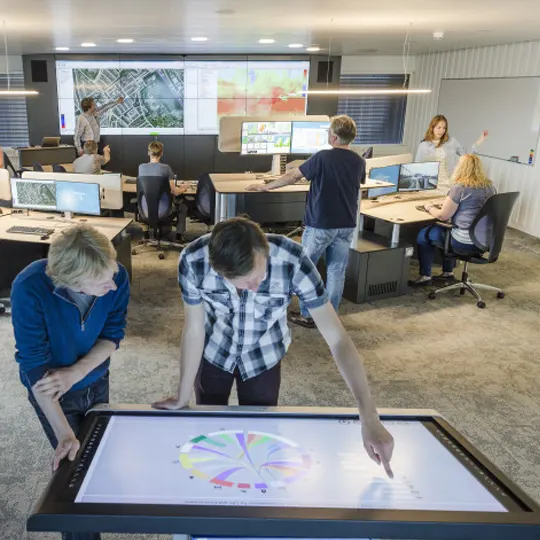
Research in ID
Addressing the use of scientific research and its role in development is an exercise worthy of the attention of researchers and development professionals.

ID professionals
They are led to design, implement, evaluate or analyze programs or projects to support or build capacity on various aspects of economic sustainable developments.

Financing ID
International development actors (like the International Development Research CenterI) fund research activities that directly benefit developing countries.

ID acts local
ID helps build local research capacity to support policies and technologies that can contribute to building healthier, more equitable and more prosperous societies.
Affecting international communities
Working in international development
International development career
“Before starting your job search, do not ask which employer you want to work for, but rather what problem you want to solve!”, Karen Warren

It is important to aim for positions that appeal to you, but although you want to be the project manager, do not hesitate to consider the position of Program Assistant or Analyst.

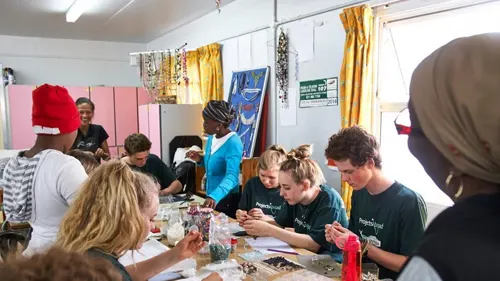
Volunteering in International development
Volunteering at an NGO here or abroad is one of the best ways to gain experience, make contacts, promote yourself, and get a contract of employment or a temporary or regular position.